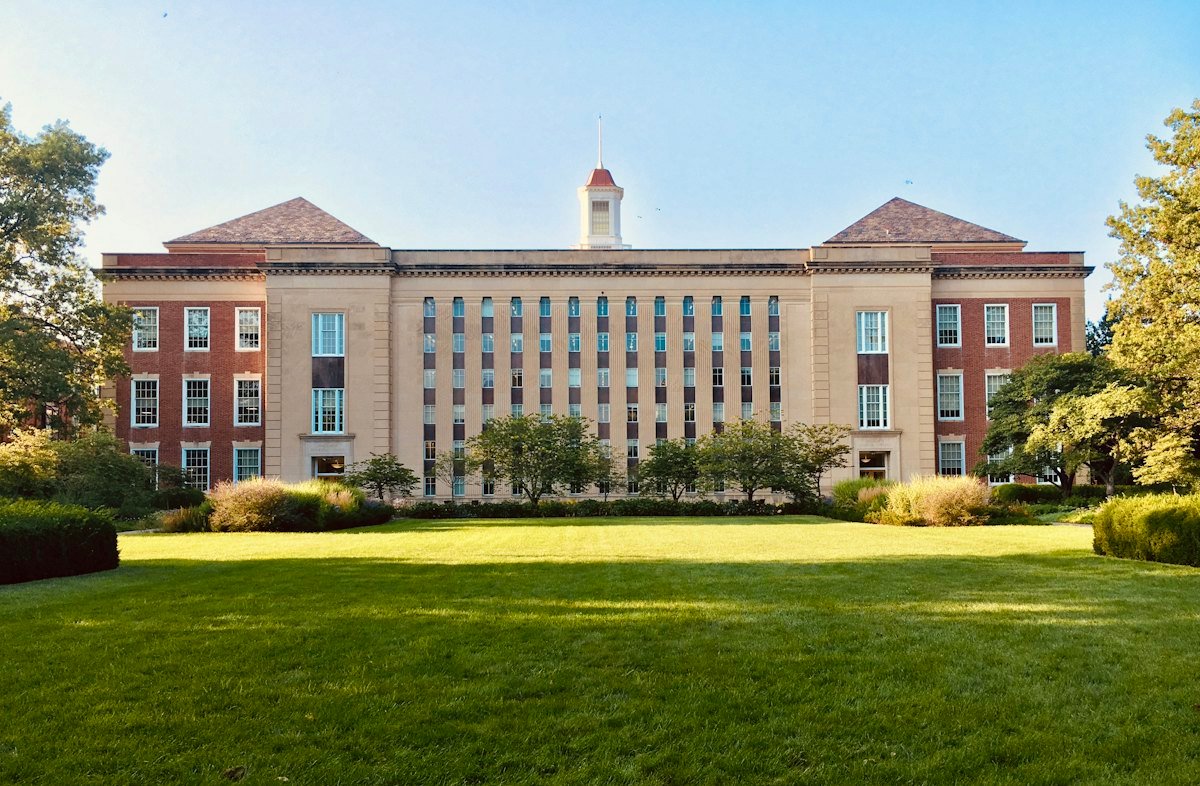
Foundation & School
Foundation Programme
Small-group teaching that rebuilds confidence in the fundamentals before anything more ambitious is attempted.
Learners aged 13 to 16 finding their footing in structured study
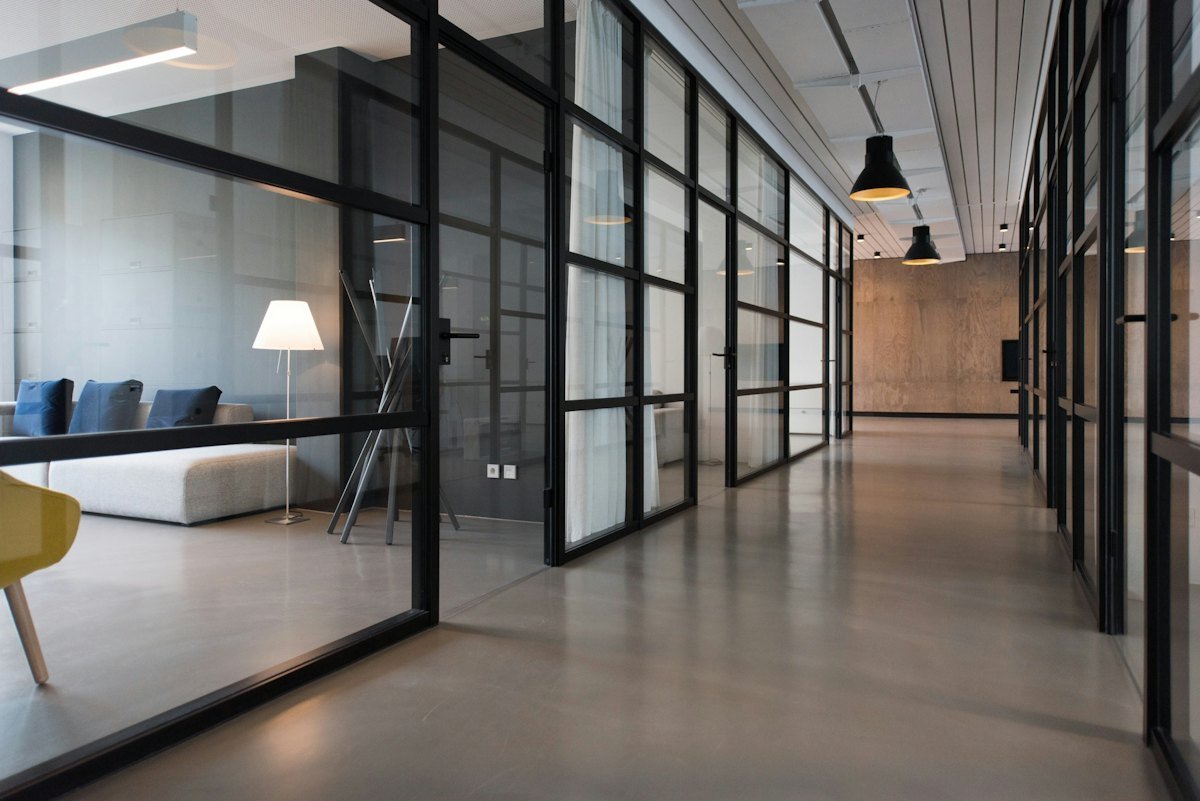
An ambitious learning environment designed to help curious minds discover their strengths, develop meaningful skills, and prepare for what comes next.
Five illustrative pathways. Filter by what you are looking for, then open any programme to see what the week actually looks like.
5 programmes match the selected track.
Small-group teaching that rebuilds confidence in the fundamentals before anything more ambitious is attempted.
Learners aged 13 to 16 finding their footing in structured study
Project work from the first term, with critique rather than grades doing most of the steering.
Learners ready to build something that has to work in the real world

A broad first year that narrows deliberately, so the specialism is chosen on evidence rather than at sixteen.
School leavers ready for a more demanding and more flexible course

Evening and weekend cohorts built around people who are holding a job while they study.
People already established who want depth without stepping out of work
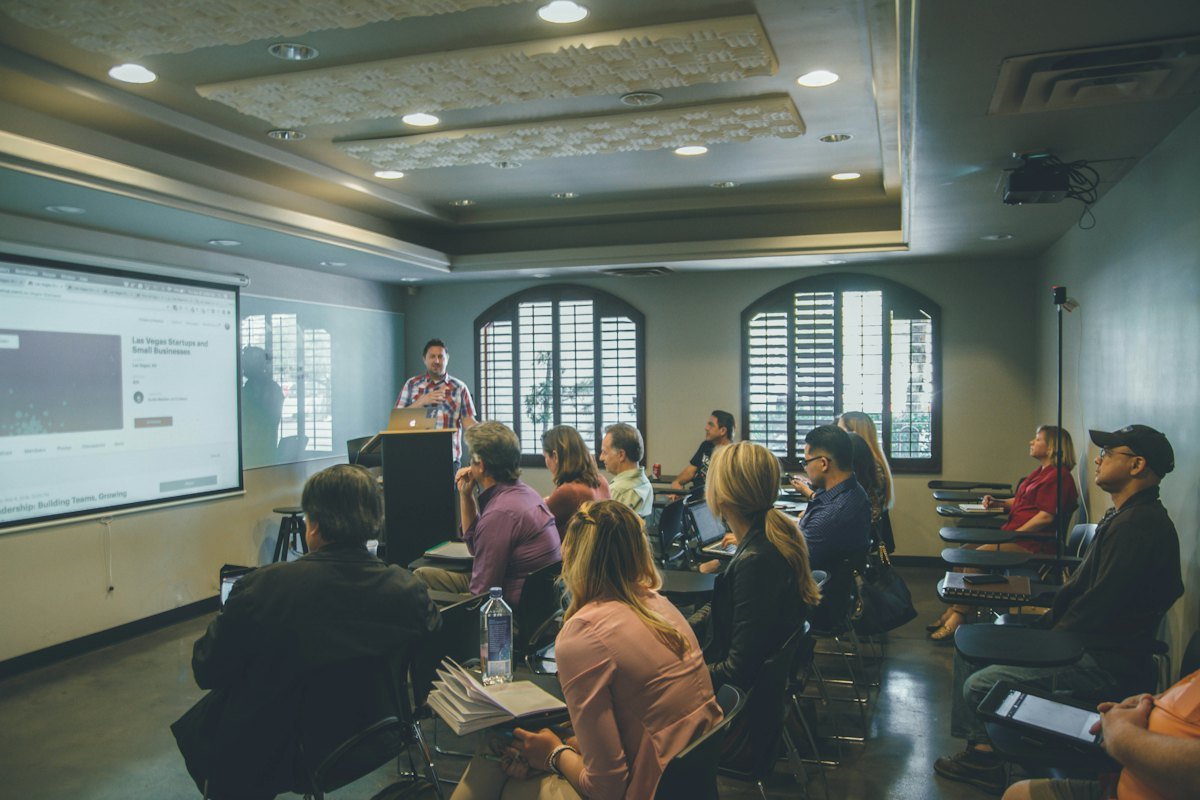
A supervised studio practice. You bring the problem, we provide the room, the tools and the people to argue with.
Those who want to follow a question rather than a syllabus
Programme names, durations and curricula are illustrative content for a fictional institution. Nothing here is a real offer of a place.
How teaching is meant to work here. This is the illustrative positioning of a concept institution, not a claim about any real one.
Work is built, not just answered. Every programme spends more time on making something than on recalling something.
Teaching groups stay small enough that a tutor knows what each person is stuck on without being told.
You are given a person who reads your work and disagrees with it. That is the whole mechanism.
Projects deliberately cross subject lines, because the interesting problems rarely respect a timetable.
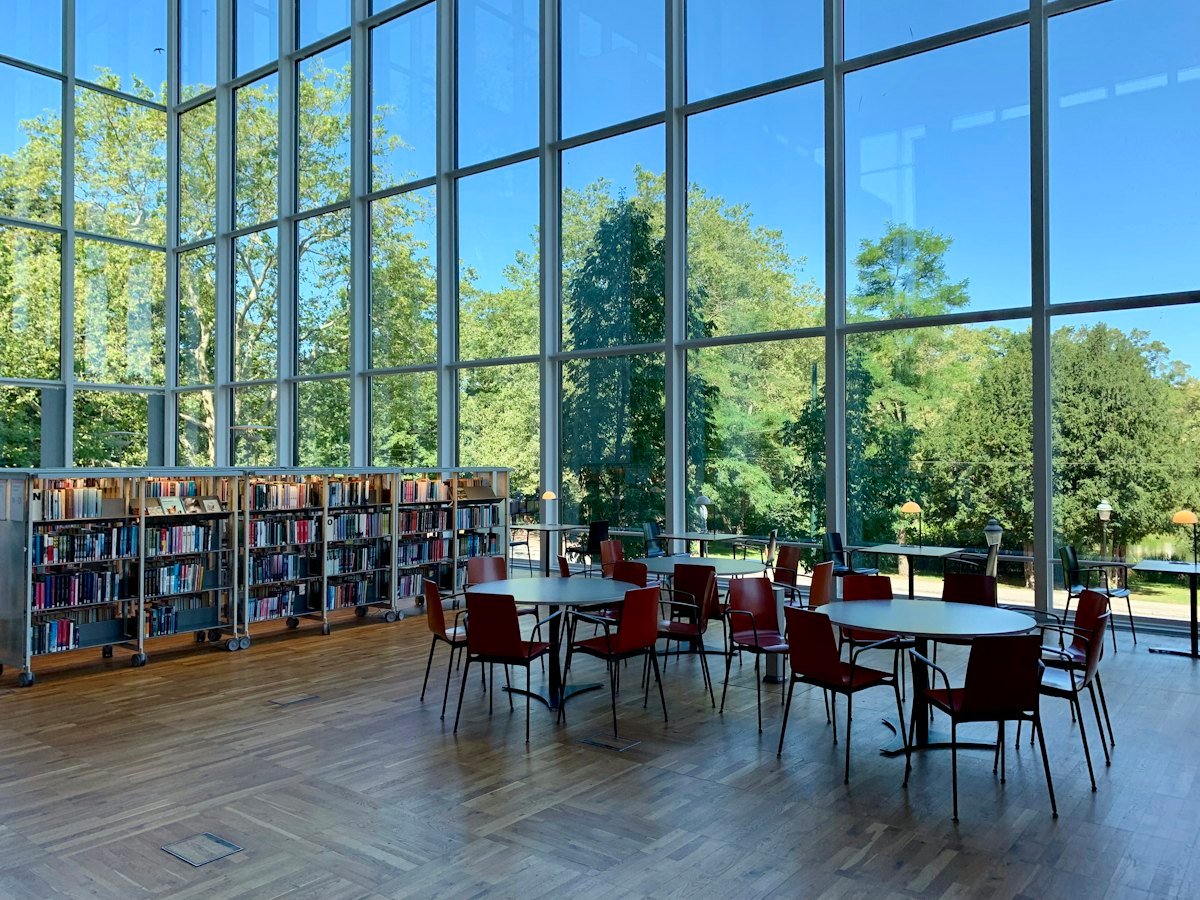
Buildings matter more than they should. These are the spaces where the work actually happens.
Quiet rooms, group rooms, and desks that are actually good to work at for six hours.
Where the work gets made, with the tools to make it properly.
Small enough that asking a question is normal rather than awkward.
The space between sessions, which is where half of the work actually happens.
A closer look at two of the pathways. Sample content for a fictional institution.
Small-group teaching that rebuilds confidence in the fundamentals before anything more ambitious is attempted.
Two years, sample structure
Project work from the first term, with critique rather than grades doing most of the steering.
Eighteen months, sample structure
The kinds of things learners here would build. These are illustrative examples created for this concept, not the work of real students.

A second-year project built around one uncomfortable constraint: the thing had to work when the network did not. What began as an exercise in resilience turned into the most useful lesson in the course.
A structural model built from salvaged components, tested until it failed, then redesigned.
Six weeks on a single question, defended in front of the whole cohort.
Five stages, and you can walk through them. Select any stage to see what happens there.
Start from what you keep reading, not from a list of subjects. A conversation, not a form.
A demonstration of an applicant journey. No application is created and no record is kept.
Illustrative profiles for a fictional institution.

Design and engineering
Teaches the point where a discipline stops being a subject and becomes a way of thinking. Runs the studio practice and reviews more student work than anyone here, deliberately.

Research and writing
Works with students on the difference between having an opinion and being able to defend it. Insists on primary sources and short sentences.

Mathematics and data
Believes most people are taught mathematics badly rather than lacking ability, and builds every course around that assumption.
Sample scenes written for this concept. Not photographs of real students, and not verified testimonials.
Twenty people in a room, one project on the wall, and an hour of honest disagreement. Sample scene.
The kind of session where the useful idea arrives after everyone stopped trying. Sample scene.
Someone presents work that is not finished yet, and the room helps finish it. Sample scene.
Tell us what you are looking for and an advisor would come back with a straight answer about fit. On a live site this is where a real conversation starts.