
Learn Boldly. Build What Matters.

Build Skills That Shape Your Future.

An ambitious learning environment for curious minds, creative thinkers, and future builders.

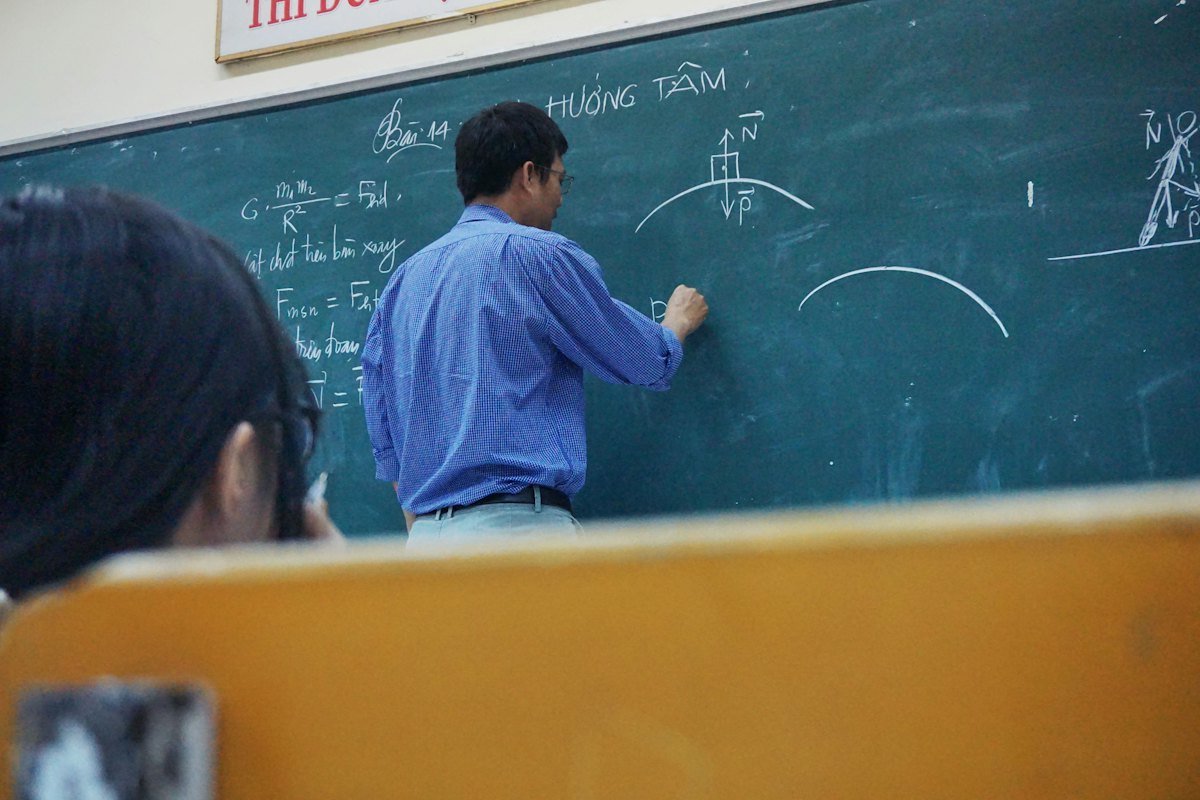
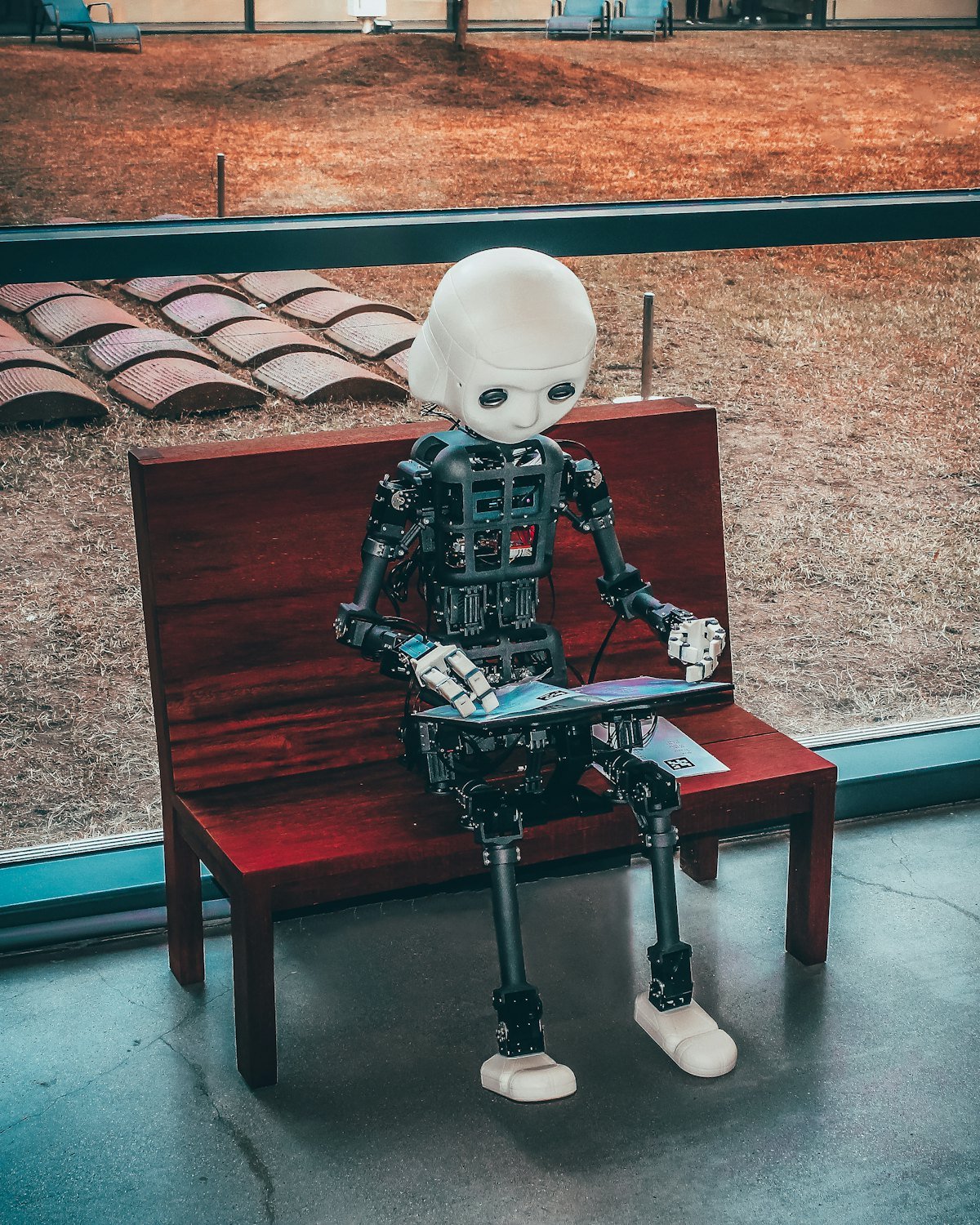
Illustrative stock photograph for the institute concept
Sample imagery. Stock photography, not a real institution.

Programs

Find the pathway that fits how you build.

Foundations of Making

Who it is for
Learners who want to build before they decide on a specialism.
Duration
Two years, sample structure

Short, practical builds teach materials, drawing and systems together, so the specialism is chosen from experience rather than guesswork.

  • Materials and making
  • Systems thinking
  • Visual communication

Learning experience

The method is the point.

Teaching here is organized around making, testing and honest feedback. The principles below shape every course, from the first week to the final review.

  1. 01

    Build before you explain

    Every concept arrives attached to something you made, so the explanation has somewhere to land.

  2. 02

    Critique is a skill

    Feedback is practiced in the room, with rules for giving it well, rather than left to chance.

  3. 03

    Real users, real constraints

    Work is tested outside the studio, where the budget, the weather and the user all push back.

  4. 04

    Learn in public

    Unfinished work is shown early, so mistakes become shared material rather than private embarrassment.

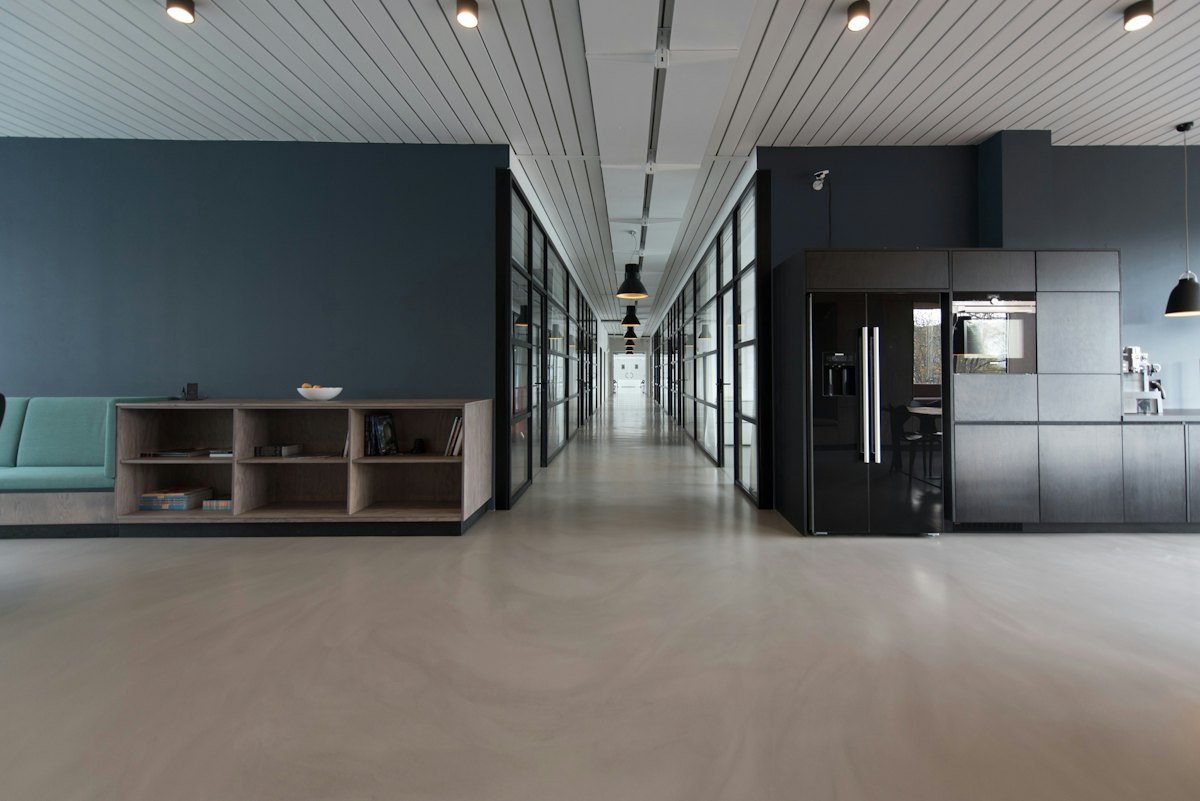
Illustrative stock photograph for the institute concept

Projects

Work that leaves the studio.

Illustrative example projects. They show the kind of work the studios produce.

Design & Making

Modular water filter

A household prototype rebuilt after user testing, with every failure report kept in the project file.

Example project

Technology & Systems

Campus energy monitor

Sensors, a live dashboard and a written proposal for the facilities team, built within one term.

Example project

Society & Enterprise

Neighborhood repair network

A scheduling tool shaped with local repair groups, tested over a full season before anyone called it finished.

Example project

Mentors

People who will read your work and disagree with it.

Learning environment

Rooms built for long, serious work.

  • Studios

    Open benches and tools, arranged so a half-built project can stay on the bench overnight.

  • Reading rooms

    Quiet, bookable and designed for long sessions rather than quick visits.

  • Workshop floor

    Prototyping equipment with trained staff and a sign-up sheet that is actually honored.

  • Commons

    The space between sessions, where most of the informal critique happens.

Learning journey

From first question to first day.

Step 1 of 5

Start with curiosity

Begin from what you keep reading or building, not from a list of subjects. A conversation, not a form.

Apply

Your next build starts with a conversation.

Back to DOXA Demos